Top Packaging Manufacturers That Export to USA Importers and Brands
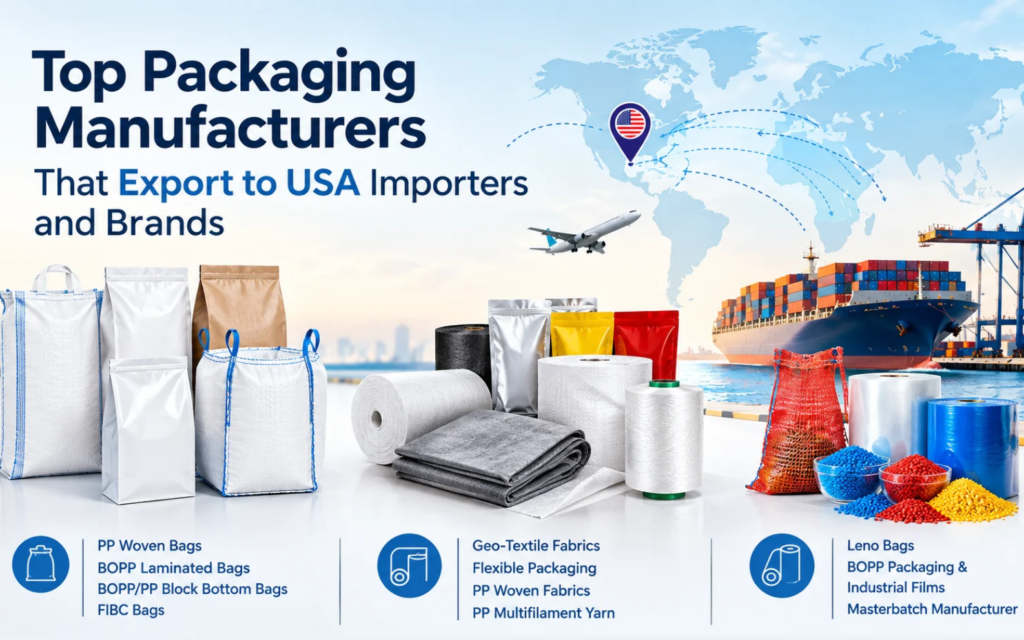
The US remains one of the world’s largest packaging markets, driven by strong demand from food, beverage, cosmetics, pharmaceuticals, e-commerce, and consumer goods brands.
For US importers, choosing the right packaging manufacturer is about more than price. Product quality, material consistency, production capacity, certifications, lead times, export compliance, and sustainable packaging capabilities all influence supplier selection.
Global packaging trends are also changing purchasing decisions. Lightweight materials, recyclable structures, flexible packaging, high-quality printing, and customized formats are gaining attention as brands work to reduce material usage while improving shelf appeal.
India, China, Vietnam, Turkey, and other manufacturing hubs have become important sourcing destinations for packaging products exported to the US. Manufacturers supplying American brands increasingly offer OEM production, custom packaging, private-label solutions, and international logistics support.
This guide covers the top packaging manufacturers that export to USA importers and brands, along with their capabilities, product categories, export strengths, and the types of businesses they serve.
Why U.S. Importers and Brands Source Packaging From Overseas Manufacturers?
U.S. importers and brands source packaging from overseas manufacturers for several practical reasons. International suppliers can offer competitive production costs, large manufacturing capacities, specialized materials, and customized packaging formats. Countries such as India, China, Vietnam, and Turkey have developed strong packaging industries serving global markets.
Overseas manufacturers also provide advanced printing, flexible packaging, rigid packaging, sustainable materials, and private-label production capabilities. For growing brands, international sourcing can support larger production runs while maintaining cost efficiency.
However, buyers typically evaluate quality standards, certifications, lead times, minimum order quantities, export experience, compliance requirements, and logistics before selecting an overseas packaging partner.
What Makes a Packaging Manufacturer Suitable for the U.S. Market?
For U.S. importers and brands, selecting a packaging manufacturer requires more than comparing prices. Several operational and technical factors determine whether a supplier can support long-term international requirements.
a) Proven Export Experience
Manufacturers with established export records understand documentation, shipping procedures, timelines, and international buyer expectations.
b) Consistent Quality Control
Reliable suppliers maintain standardized production processes, inspections, testing, and batch-to-batch consistency to minimize quality variations.
c) Material and Product Expertise
Strong technical knowledge across flexible, rigid, paper, plastic, and sustainable packaging helps manufacturers recommend suitable materials for different applications.
d) Customization Capabilities
Custom sizes, structures, finishes, printing, barrier properties, and packaging formats allow brands to develop products aligned with their requirements.
e) Certifications and Compliance
Relevant certifications, testing procedures, traceability, and regulatory compliance demonstrate manufacturing reliability and support smoother U.S. imports.
Together, these factors help importers build dependable and scalable packaging supply chains.
Top Packaging Manufacturers That Export to USA Importers and Brands
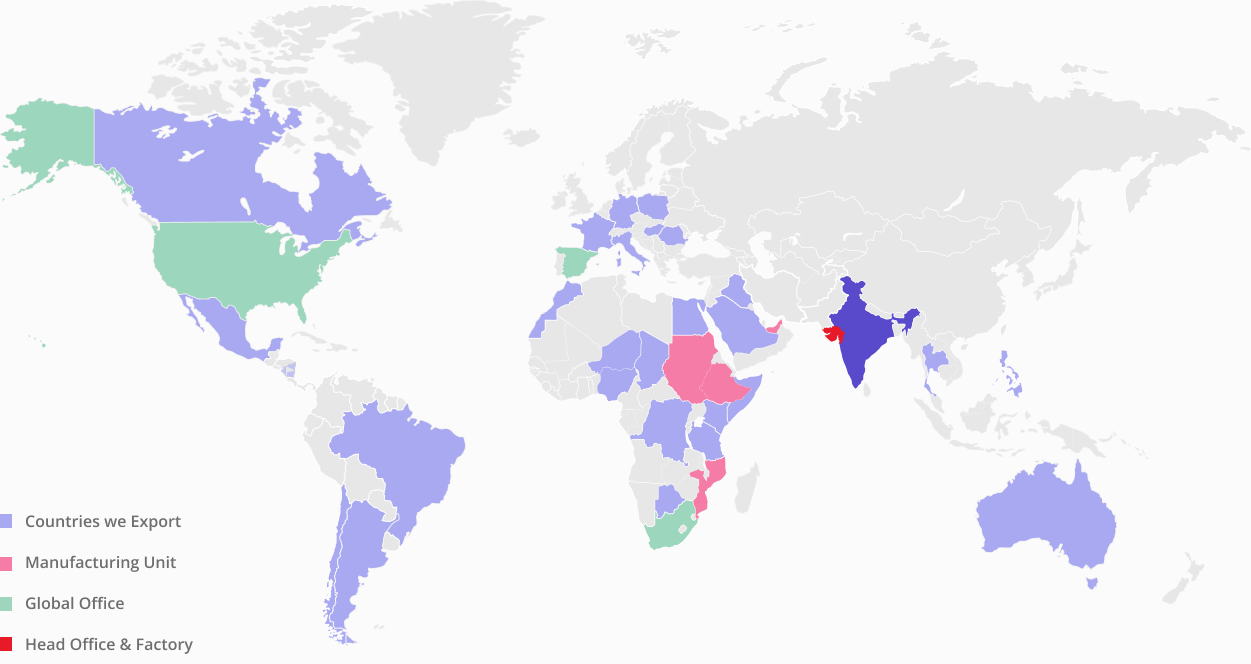
When U.S. importers compare overseas packaging suppliers, manufacturing capability, product range, export experience, and customization options are important factors. SatyendraPackagingLtd. (SPL) is one Indian manufacturer serving international packaging requirements.
1. SatyendraPackagingLtd. (SPL)
SatyendraPackagingLtd. specializes in FIBC bulk bags, PP woven bags, BOPP laminated bags, and industrial packaging solutions. These products are used across agriculture, chemicals, food ingredients, construction materials, minerals, and other bulk-handling industries.
The company provides customized packaging based on dimensions, filling and discharge requirements, material specifications, printing, and load capacity. Its manufacturing focus makes SPL relevant for U.S. importers, distributors, and brands sourcing industrial packaging from India.
For buyers evaluating packaging manufacturers for the U.S. market, SPL represents an option for businesses requiring scalable, customized woven and bulk packaging solutions.
Types of Packaging U.S. Importers Can Source From Indian Manufacturers
Indian packaging manufacturers serve a wide range of international industries, offering everything from flexible films to heavy-duty bulk packaging. For U.S. importers, the right product depends on the application, material requirements, order volume, and compliance needs.
a) Flexible Packaging
Flexible packaging includes pouches, laminated films, rolls, sachets, wrappers, and other lightweight formats. Indian manufacturers can produce customized structures using materials such as PE, PET, BOPP, and multilayer laminates. These solutions are widely used for food, beverages, personal care, household products, and consumer goods.
b) Bulk FIBC Bags
FIBC bags, also known as bulk bags or jumbo bags, are designed for transporting and storing large quantities of powders, granules, and other bulk materials. U.S. importers can source customized FIBCs based on capacity, construction, filling and discharge systems, lifting loops, fabric specifications, and printing requirements.
c) Rigid Packaging
Rigid packaging includes containers, jars, bottles, tubs, drums, and other durable formats. Depending on the manufacturer, buyers can source packaging made from plastic, metal, glass, or other rigid materials. These products are commonly required for cosmetics, pharmaceuticals, food products, chemicals, and industrial applications.
d) BOPP Bags
BOPP laminated bags combine woven polypropylene construction with high-quality printed BOPP film. They are commonly used for products such as rice, flour, animal feed, fertilizers, seeds, chemicals, and construction materials. Their printable outer surface also provides strong branding opportunities for international buyers.
Industries That Source Packaging From Indian Manufacturers
Indian packaging suppliers serve multiple industries because they can offer both standardized and customized formats.
-
Food and Beverage
Food manufacturers source pouches, laminated films, bags, labels, and bulk packaging for grains, snacks, spices, beverages, ingredients, and processed foods.
-
Cosmetics and Personal Care
Beauty brands require packaging that combines visual appeal with product protection. Pouches, bottles, jars, flexible films, and customized printed packaging are commonly sourced for skincare, haircare, cosmetics, and personal-care products.
-
Pharmaceutical and Healthcare
Pharmaceutical and healthcare companies require packaging with precise specifications, consistent quality, traceability, and suitable material properties. Packaging may include containers, films, bags, pouches, and specialized formats.
-
FMCG
Fast-moving consumer goods brands source packaging in high volumes for products ranging from household cleaners and personal-care products to food and everyday consumer items.
-
E-commerce and D2C Brands
Online-first brands often need lightweight, protective, customizable packaging that supports efficient shipping while maintaining brand presentation.
-
Industrial Products
Industrial buyers source FIBC bags, woven sacks, BOPP bags, liners, and heavy-duty packaging for chemicals, minerals, agriculture, construction materials, and other bulk products.
Red Flags to Watch for When Selecting an Overseas Packaging Manufacturer
International sourcing can create significant opportunities, but buyers should verify suppliers carefully before placing large orders.
- No verifiable manufacturing facility: A supplier should be able to provide credible information about its production location and capabilities.
- No samples: Refusal to provide samples makes it difficult to evaluate construction, printing, materials, and workmanship.
- Unclear material specifications: Suppliers should clearly identify material grades, thickness, GSM, layers, dimensions, and other relevant technical details.
- Unusually low pricing: A price significantly below comparable quotations may indicate differences in material quality, specifications, or production standards.
- Poor communication: Slow, vague, or inconsistent responses can create problems during production and shipping.
- No quality documentation: Buyers should request relevant inspection reports, test reports, specifications, and quality records where applicable.
- No export references: A manufacturer with international experience should be able to demonstrate relevant export capability.
- Inconsistent sample quality: Differences between samples or production batches can indicate weak process control.
- Unclear lead times: Confirm production timelines, shipping schedules, and expected delivery windows before ordering.
- Refusal to provide technical information: Reliable manufacturers should be able to explain materials, construction, tolerances, and production processes.
- Unsupported certification claims: Verify certifications directly rather than relying only on logos or statements provided by the supplier.
- No clear process for handling quality problems: Agree in advance on inspection, complaint handling, replacement, corrective action, and responsibility for defective goods.
How to Choose the Right Packaging Manufacturer for Your U.S. Brand?
Start by defining your packaging requirements, including product type, dimensions, materials, printing, performance specifications, expected volumes, and target delivery schedule. Shortlist manufacturers with relevant product expertise and proven international experience.
Request samples and technical documentation before moving to commercial quantities. Compare quotations on a like-for-like basis because the lowest price may not represent the same material or construction standard.
Finally, evaluate communication, production capacity, quality-control procedures, export experience, certifications, lead times, and after-sales support. A suitable packaging manufacturer should be able to provide transparent specifications and consistent production while supporting your brand's long-term requirements.
For U.S. importers, careful supplier evaluation can turn overseas packaging sourcing into a reliable and scalable part of the supply chain.
Conclusion:
Finding the right packaging manufacturer for U.S. importers and brands involves more than comparing product prices. Manufacturing capabilities, material expertise, customization, quality control, export experience, certifications, and reliable communication all influence the success of an international packaging partnership.
Indian manufacturers have become an important sourcing option for businesses seeking flexible packaging, FIBC bulk bags, BOPP bags, rigid packaging, and customized industrial solutions. However, buyers should verify samples, technical specifications, production facilities, documentation, lead times, and export references before placing large orders.
For U.S. brands, the right supplier should be capable of meeting current packaging requirements while supporting future production volumes and product development. A transparent packaging manufacturer with consistent quality processes and clear communication can help reduce sourcing risks and create a more dependable supply chain.
Ultimately, careful supplier evaluation helps importers build long-term packaging partnerships while balancing quality, customization, cost, and delivery requirements.
Recent Blogs
- Flexible Packaging Film: Types, Materials, Uses & Benefits Explained
- Ventilated FIBC Bags: A Bulk Packaging Solution for Heat-Sensitive Products
- Top Reasons to Source FIBC Bags from Indian Manufacturers
- BOPP Packaging Film vs CPP vs PET Film: Which Packaging Material Wins?
- PP Woven Bags for Packaging: Types, Uses, Benefits & Manufacturing Process
- Top UV Masterbatch Manufacturer for Agriculture & Industrial Applications
- FIBC Bulk Bags Unloading Guide: Essential Equipment, Safety Checks, and Techniques
- Super Sack Bags Guide: Sizes, Materials, Capacity, and Industrial Uses
- The Ultimate Guide to Tunnel Bags for Cement and Construction Industry
- Non Woven Bags: A Smart Packaging Move That Boosts Sales & Sustainability
- FIBC Jumbo Bags Handling Guide: 8 Expert Tips to Prevent Accidents & Loss
- Woven Polypropylene vs. Paper Bags: Which is Best for Heavy-Duty Industrial Use
- What Is Masterbatch? Types, Advantages, and Role in Plastic Industry
- Ventilated Bulk Bags Explained: Design, Durability, and Real-World Applications
- Pinch Bottom Bags: Why Brands Are Switching to This Smart Packaging?
- FIBC vs. Rigid Containers: Which One Delivers Better ROI for Bulk Transport?
- The Rise of Flexible Packaging: What Manufacturers and Startups Must Know
- What Is PP Multifilament Yarn? Benefits, Uses, and Industry Applications
- Polypropylene (PP): Uses, Benefits, and Applications in Packaging Industry
- Leno Bags: A Stronger Packaging Backbone for India’s Farm Produce Market
- The Ultimate Guide to Choosing the Geotextile Fabric for Your Project
- Top 6 Best Packaging Materials for Bulk Goods: Strong & Sustainable
- What is Flexible Packaging? The Smart Choice for FMCG Export & Supply
- Complete Guide to FIBC Bags – Types, Uses, and Benefits You Should Know
- BOPP Laminated Woven Bags Benefits | Satyendra Packaging
- Innovative BOPP Film | Satyendra Packaging Ltd Manufacturing
- BOPP Pinch Bottom Bags | Reliable Custom Packaging
- BOPP Laminated PP Woven Sacks | Durable Custom Packaging
- Leno Bags for Fresh Produce – Breathable & Durable Packs
- PP Woven Fabric: Meaning, Properties & Applications Guide
- FIBC Jumbo Bags: Uses, Benefits & More | Satyendra Packaging
- Top 5 Benefits of Woven Geotextile Fabrics in Roads
- High-Quality BOPP Film Packaging | Satyendra Packaging India
- Are BOPP Films Safe for Food Packaging? | Satyendra Group
- Are FIBCs Recyclable? A Guide to Sustainable Bulk Bags
- BOPP/PP Block Bottom Bags: Types, Benefits & Industry Uses
- Why PP Multifilament Yarn is Essential for Multiple Industries
- Boost Your Business with BOPP Bags
- Knitted Geotextiles: Game-Changer in Civil Engineering Solutions
- How Flexible Packaging Solutions Help to Grow Business
- FIBC Bags: The Versatile Solution for Bulk Material Handling
- Types of Flexible Packaging and Their Advantages
- Reasons Why PP Leno Mesh Bags Are the Best Choice for Produce Packaging
- Why BOPP Laminated PP Woven Bags Are Right For Your Business?
- Woven Polypropylene Bags: The Complete Guide
- Exploring the Benefits of FIBC Bulk Bags: A Practical Guide